
Blackpool is a vibrant coastal town in the North West of England with a rich history of innovation and entrepreneurship.
In 1879 Blackpool became the first town to have electric street lighting, which has expanded into the world-leading light show visible today. The town is a bustling tourism destination, welcoming over 21 million visitors each year, yet it also faces substantial challenges, with significant income inequality and some wards in the town centre having some of the highest levels of deprivation in England.
Like all coastal towns across the UK, Blackpool is already experiencing the impacts of climate change with rising sea levels, more frequent flooding and extreme heat events. The council is developing a town-wide Climate Adaptation Strategy to outline how Blackpool can prepare for these impacts.
Blackpool Council has a strong history of involving residents in decision making around climate change, including their Citizens’ Climate Assembly in 2021. Recognising that good engagement is an ongoing process, the council wanted to build on their assembly by developing a citizen-led vision and set of priority actions for Blackpool to achieve by 2035. This will ensure the Climate Adaptation Strategy responds to what is important to local people.
What did we do?
As part of Innovate UK’s Net Zero Living programme, Involve, Forum for the Future, Ipsos and Quantum Strategy & Technology ran a Community Conversation.The starting point was about building on local strengths and assets, rather than the framing of ‘reaching net zero’.
The question put to the group was: What can we all do to prepare for the impacts of climate change, whilst making our town a better place to live?
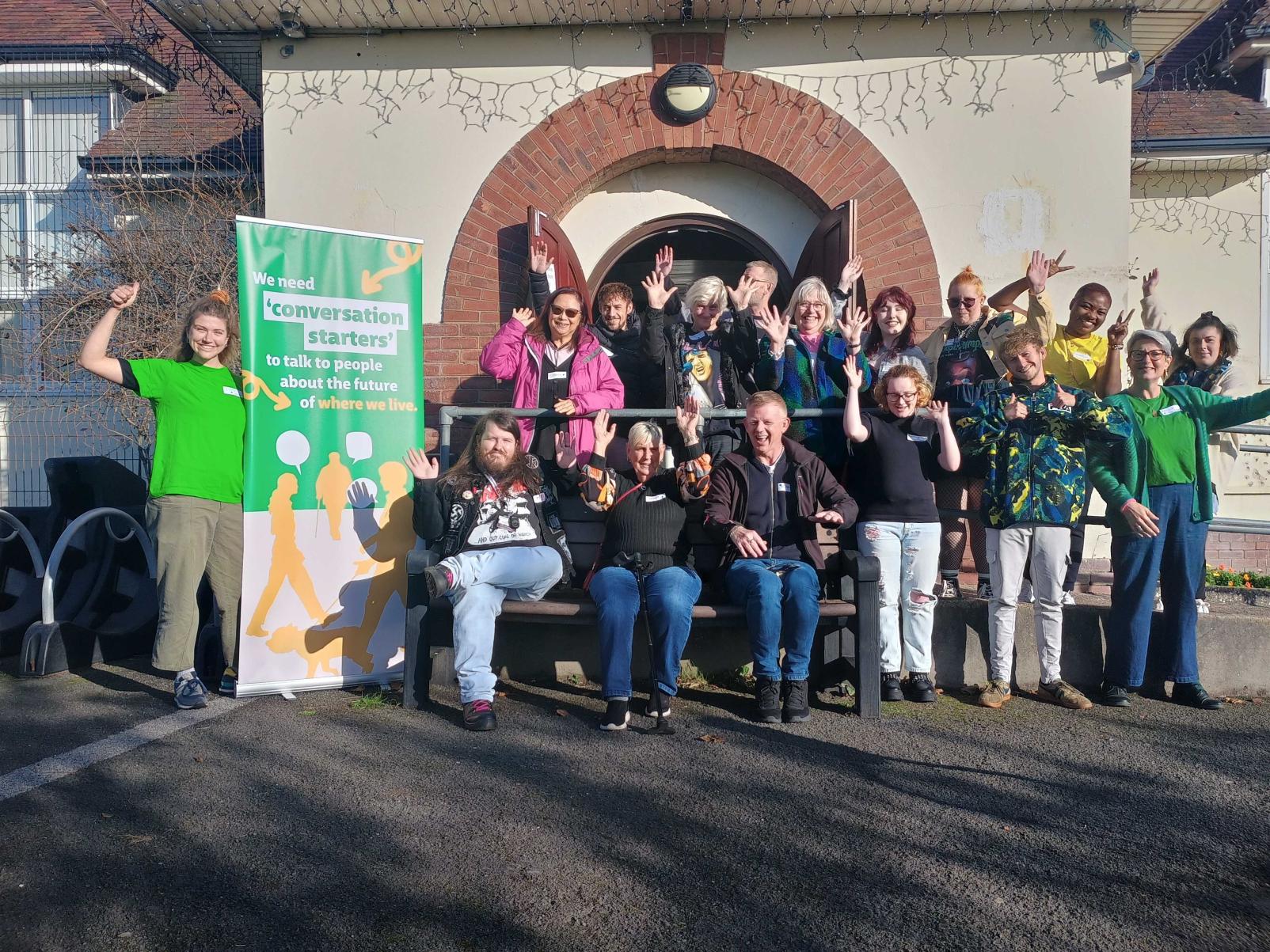
We began by recruiting 15 ‘conversation starters’, a group of residents broadly reflective of the town across various demographics. Recruitment was focused on three wards in particular who had been less involved in the council’s climate change work to date.
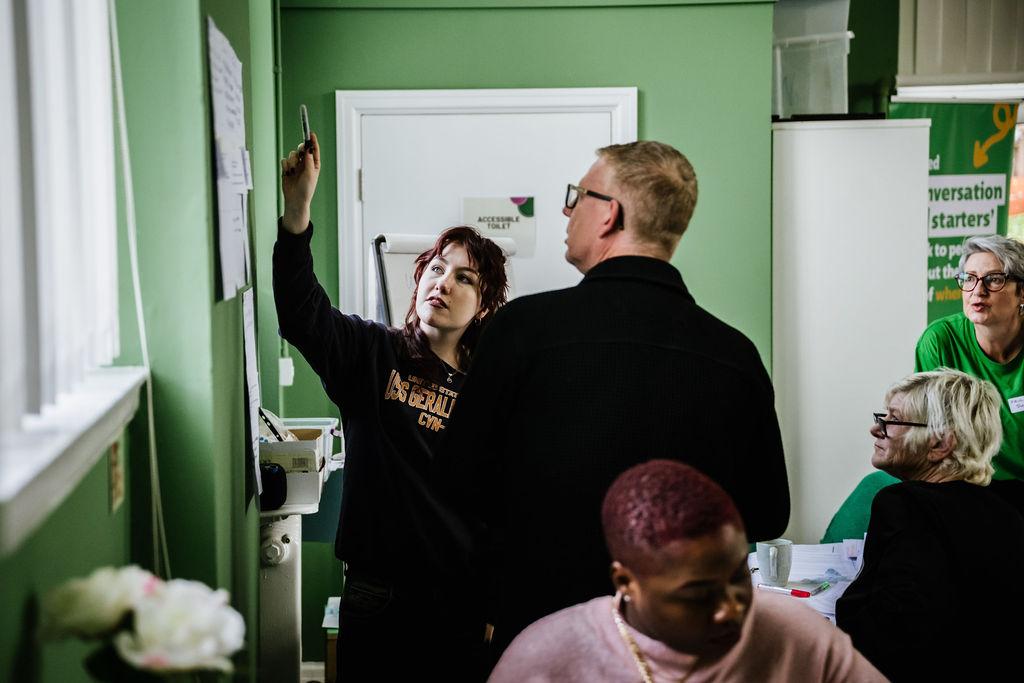
Through four in-person sessions, the group heard from a range of speakers on a number of topics, including climate change, local impacts and the co-benefits of taking action.
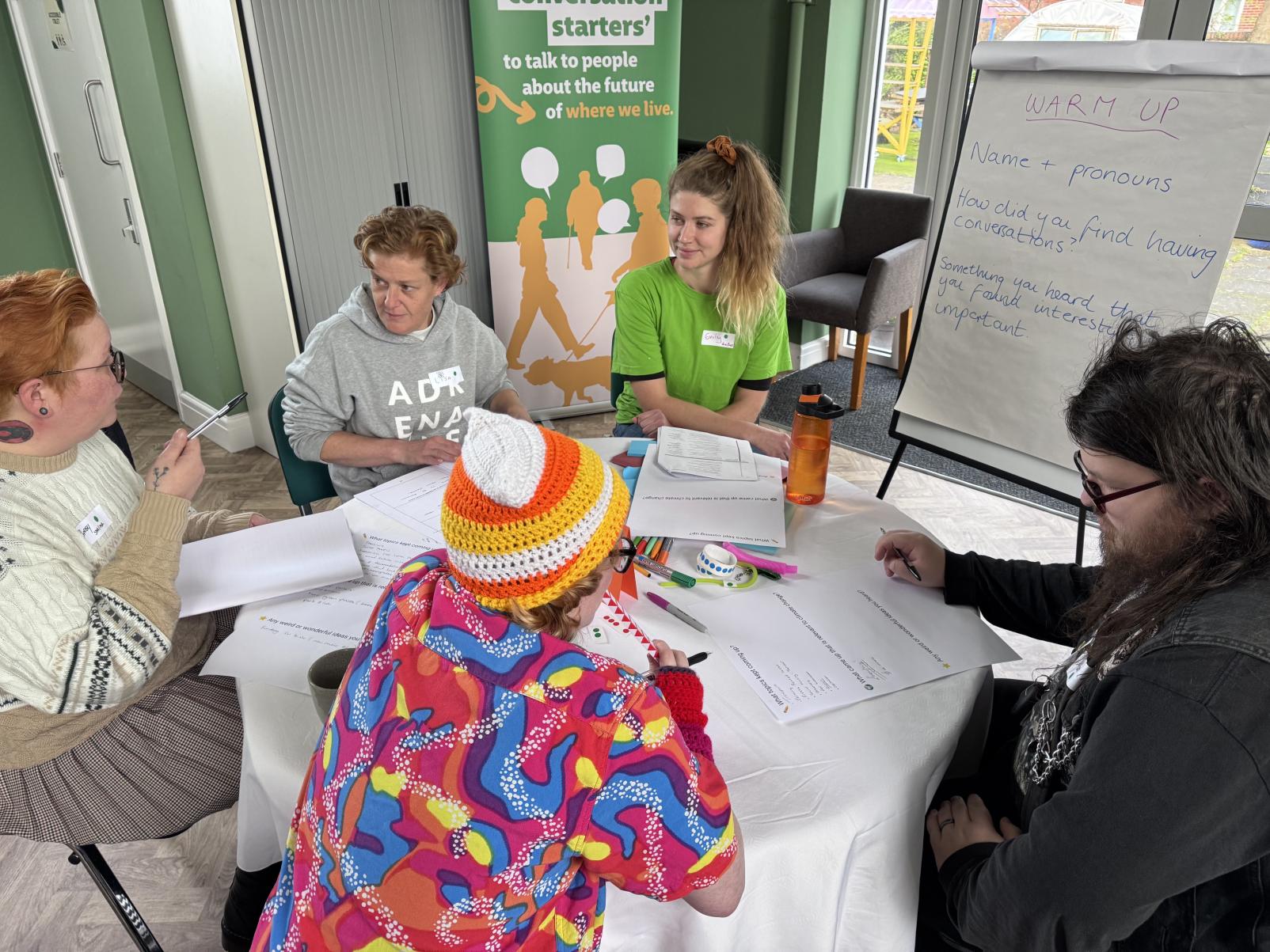
Over three weeks between sessions, the conversation starters led more than 50 discussions with friends, family and neighbours about what would make Blackpool an even better place to live in future. These asset-based conversations were seen as another form of learning for participants, valuing the lived experience of the Blackpool community in equal measure to the specialist expertise from speakers.
Conversation starters used what they had heard from speakers, as well as the wider community, to explore ideas for a climate-resilient Blackpool in 2035. They deliberated potential solutions before working together to agree a vision and a set of nine priority
recommendations to feed into the council’s decision making as part of their Climate Adaptation Strategy.
What resulted?
The vision statement was written entirely by participants in their own words.
Our future Blackpool has improved housing through insulation and energy efficiency, which helps the climate and residents through cheaper energy bills powered by renewable energy….
The future Blackpool should have less cars through the town centre, be more pedestrian and cycle friendly and have more affordable public transport….
The future of Blackpool would benefit from greener parks, cleaner beaches and less pollution, with tree lined streets and living walls, that are respected by tourists…
Children are the future of Blackpool - we need to listen to their needs and suggestions while creating career opportunities to give them a reason to stay.
This is now also being adapted into a spoken word piece by a local artist in order to capture the attention of the wider public and increase buy-in and support.
The nine priority recommendations covered actions around housing, transport, greening public spaces, community engagement and
decision making.
Some of these recommendations are directly related to adaptation and how the town can prepare for the impacts of climate change. These include calls for more green spaces, street trees and ‘depaving’ of areas to provide a cooler environment. The group also recommended incentivising housing developers to build to higher standards of energy efficiency.
As this process intentionally started by building out from what matters to people about where they live, many of the group’s recommendations are not specific to climate adaptation and instead focus on the benefits of climate action. They outline what a thriving Blackpool will look like in ten years’ time, in the context of climate change.
These wider recommendations include ensuring public transport can be used by all by delivering accessibility training for drivers. The group also called for expanding climate education in schools and designing incentive schemes to support sustainable behaviours. There were also calls for residents to be more involved in the council’s decision making around environmental issues longer term.
This demonstrated that a citizen-led approach that starts with what matters to people can produce some unexpected yet impactful results which require coordination across institutions to deliver. A more tightly scoped brief could have produced some more specific recommendations, but may miss out on seeing climate action as a transformative opportunity to explore and respond to a wider range of community priorities in order to improve our places.
What was the impact?
The council prepared a formal response to the group’s recommendations, which were presented at the Climate Change and Environment Scrutiny Committee in March 2025. In response, the council has agreed to progress action across all nine recommendations.
This includes some new activity and initiatives in direct response to the Blackpool Community Conversation, including:
Liaising with Blackpool Transport to seek provision of further accessibility training and enforcement of policies around use of disabled bays on buses.
Exploring ways of delivering incentive programmes with partners to ensure that the incentives deliver genuine behaviour change whilst avoiding costs to the authority.
Re-establish the internal community engagement co-ordination group to ensure regular and effective engagement with the community.
Developing a ‘Council Service Advisory Panel’, open to all, where residents can register their interest on key issues and be contacted for their input when relevant issues arise.
Participants expressed what impacts they hope to see from the Community Conversation. These included creating a better place to live, having further opportunities to get involved and transparency on the council’s climate and environmental plans:
“I feel wiser with regards to my understanding of the impact of climate change and hopeful our contributions will be addressed and built into the strategy moving forward”
The Blackpool Community Conversation had a notable impact on the people who took part. One member expressed their interest in becoming more involved in local politics following the session. Another member shared how significant taking part was in terms of boosting their self confidence.
Looking ahead, Blackpool Council is exploring how they use this method as a pilot and continue Community Conversations across the town as part of their ongoing climate response.