


I have always loved visual communication — that’s a fancy way of saying ‘graphic design.’ My best friend, whom I met while studying it at university, introduced me to a world that would shape my future.
During our first summer break, she proudly took me to a gallery in the town she grew up in. It was more than just a space for art: it was a space that reflected her community.
That experience set up my career: first into exhibition design, and eventually into working with Involve, an organisation that believes the public should help shape the decisions that affect their lives — including those about culture.
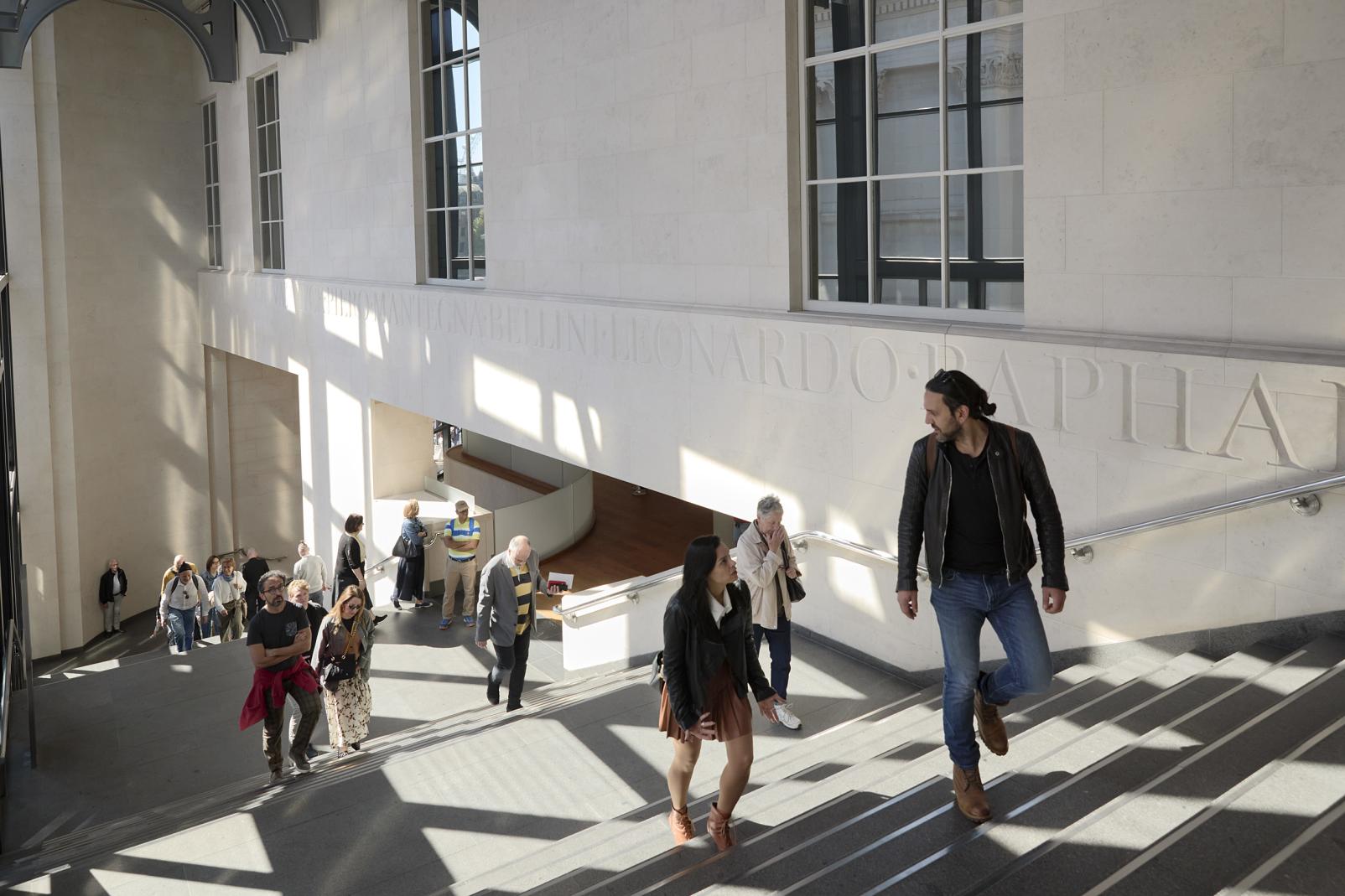
The idea of ordinary people being invited to shape the future of The National Gallery isn’t just bold — it’s inspiring. A civic panel, made up of people from across the UK, some of whom may never have stepped into the Gallery’s iconic Sainsbury Wing, will be invited to reflect on its purpose, its public value, and its future role in society.
When I’ve designed work for a gallery, I’ve always been acutely aware that I can’t personally be there to talk to the audience. I can’t stand beside them and let them know why I chose a certain colour, or typeface, or why I chose this photo. I have to design work that stands for itself — to essentially have a one-sided conversation where I can’t hear their thoughts, or insights.
This is another reason why I am in awe of this project. This isn’t about replacing curators, designers, or artists. It’s about expanding the frame. Citizens’ assemblies work when public insight and professional expertise meet: not in conflict, but in conversation.
Curators, artists, designers and researchers bring depth, vision, and precision. The public brings perspective, challenge, and truth. The dialogue between sharpens and grows both in ways that one can’t even imagine. It doesn’t weaken expertise; it empowers it. It doesn’t flatten meaning: it multiplies it. It’s about creating space for the kind of wisdom that comes from both expertise and lived experience, from different places, backgrounds, and ways of seeing the world.
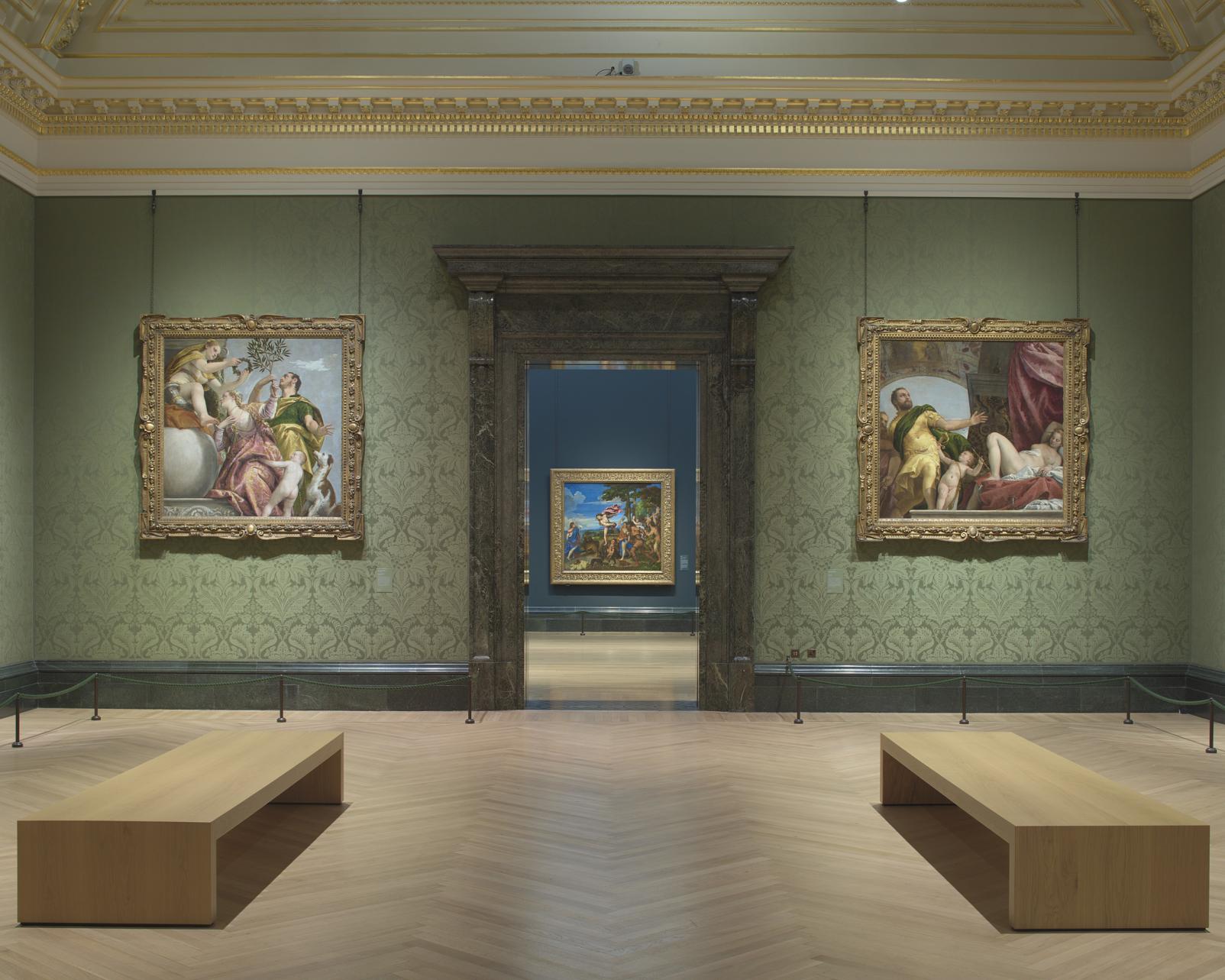
The National Gallery was founded on the radical idea that great art should be available to everyone, regardless of class or postcode. But barriers to access still exist, and many communities remain disconnected, be that geographically, economically, or culturally from our national institutions. Projects like NG Citizens don’t fix that alone, but they are a vital step toward bridging the gap.
What’s more, this idea isn’t emerging in a vacuum, or limited to only local authorities. In Nottingham, the New Art Exchange (NAE) gallery holds the title for the first cultural institution worldwide with a permanent citizen assembly as a key part of their leadership structure. In Coventry, a citizens’ assembly influenced cultural programming during its City of Culture year. In West Cumbria, a citizens jury was set up to consider how the arts should be supported, along with how £100,000 of Arts Council money should be spent. In Birmingham, a jury of local citizens helped reshape how the city’s museums operate.
This movement is growing. A major national study led by Culture Commons, supported by councils and cultural institutions alike, has called for exactly this kind of democratic innovation. It recommends new public decision-making forums across cultural life — not as a gimmick, but as a response to long-term disconnection between institutions and the communities they represent.
At Involve, we see this as part of a broader mission. Democratising the arts isn’t just good for culture — it’s good for democracy. It reminds us that everyone warrants not just access to great art, but a voice in shaping what it looks like, where it lives, and who it’s for.
Of course, trying something new involves risk. But the greater risk is in doing nothing, in assuming that relevance, trust, and public value will look after themselves.
The best cultural leaders know this. They’re not afraid of new voices. They welcome them. They understand that the future of the arts depends not just on protecting tradition, but on growing participation.
The National Gallery’s decision to open its doors in this way is a powerful act of trust and imagination. It says something important about who we are, and who we want to be.
For me, not just as a designer, or someone who has spent years working in and around the arts, but as a member of Involve, an organisation committed to deepening democracy, I’m genuinely thrilled this project is happening and I can’t wait to see what comes out from it.